
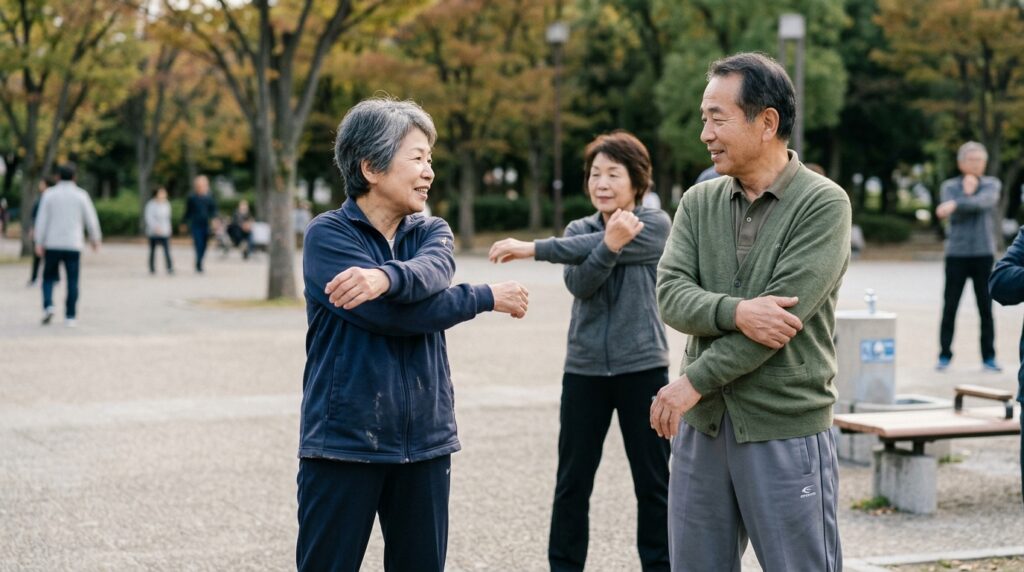
Staying physically active is well known for boosting physical health and lifting mood, but a new psychological study reveals that its social and emotional benefits may stem from an unexpected source: how we treat ourselves. According to findings published in The Japanese Journal of Personality, regular exercise helps alleviate loneliness primarily by fostering self-compassion—a gentle, understanding attitude toward one’s own limitations and emotional distress.
Exercise Eases Loneliness Through an Inner Shift
While community initiatives often promote exercise as a way to interact with peers through group classes or recreational sports, the new research suggests an internal psychological transformation is also taking place. The study found that regular physical activity significantly lowers feelings of loneliness among adults, but this link does not depend merely on direct socialization.
Instead, the researchers found that an inner shift drives this benefit. Using statistical mediation analysis, the authors examined whether self-compassion bridges the gap between active lifestyle habits and reduced social isolation. The findings supported a full mediation model: physical activity enhanced self-compassion, which in turn reduced loneliness, indicating that self-kindness is the key mechanism through which exercise eases feelings of isolation.
How the Study Was Conducted
To evaluate this pathway, researchers Mayu Tomii and Atsushi Oshio surveyed 300 Japanese adults with an average age of 60.1 years. The cohort provided a clear look into middle-aged and older adults, demographics that frequently navigate retirement, lifestyle adjustments, and changing social networks.
Participants completed three standardized psychometric questionnaires. The researchers measured routine physical movement using the Exercise Habit Strength Scale. To gauge emotional attitudes toward personal difficulties, participants filled out the Self-Compassion Scale. Finally, subjective feelings of social disconnection were assessed using the widely applied UCLA Loneliness Scale (Version 3).
The Power of Self-Compassion
Why would building an exercise routine make someone more compassionate toward themselves? The authors suggest that maintaining a consistent workout habit encourages individuals to show up for their personal well-being, fostering patience and self-care. Through regular effort, people learn to respect their body’s limits and accept setbacks without harsh self-judgment.
This heightened self-compassion, in turn, helps individuals navigate painful emotional states. Rather than interpreting solitude as a personal flaw or feeling overwhelmed by social disconnection, self-compassionate individuals respond to difficult feelings with warmth and understanding. This internal resilience softens the emotional sting of isolation, reducing the distress often associated with being on one’s own.
Practical Implications and Next Steps
The findings offer valuable directions for public health programs aimed at supporting older populations. Community interventions designed to combat loneliness may see stronger results by combining gentle, accessible physical activity with self-compassion practices, rather than focusing solely on forcing external social contact.
The authors emphasize that because the data was cross-sectional, future studies using longitudinal designs will be necessary to confirm causal directions over time. Researchers should also explore whether this mediation dynamic functions similarly across younger demographics and different cultural settings. For now, the study highlights that taking care of the body can be a practical pathway toward cultivating the inner kindness needed to keep loneliness at bay.
Source
- The Effect of Physical Activity on Loneliness: The Mediating Role of Self-Compassion
- Researchers: Mayu Tomii, Atsushi Oshio
- Journal: The Japanese Journal of Personality
- Read the original study